Food Analyze: Understand Your Pet’s Food Label with Tasma
Learn how Tasma Food Analyze helps you explore pet food labels, photograph ingredients clearly and check AI explanations responsibly.
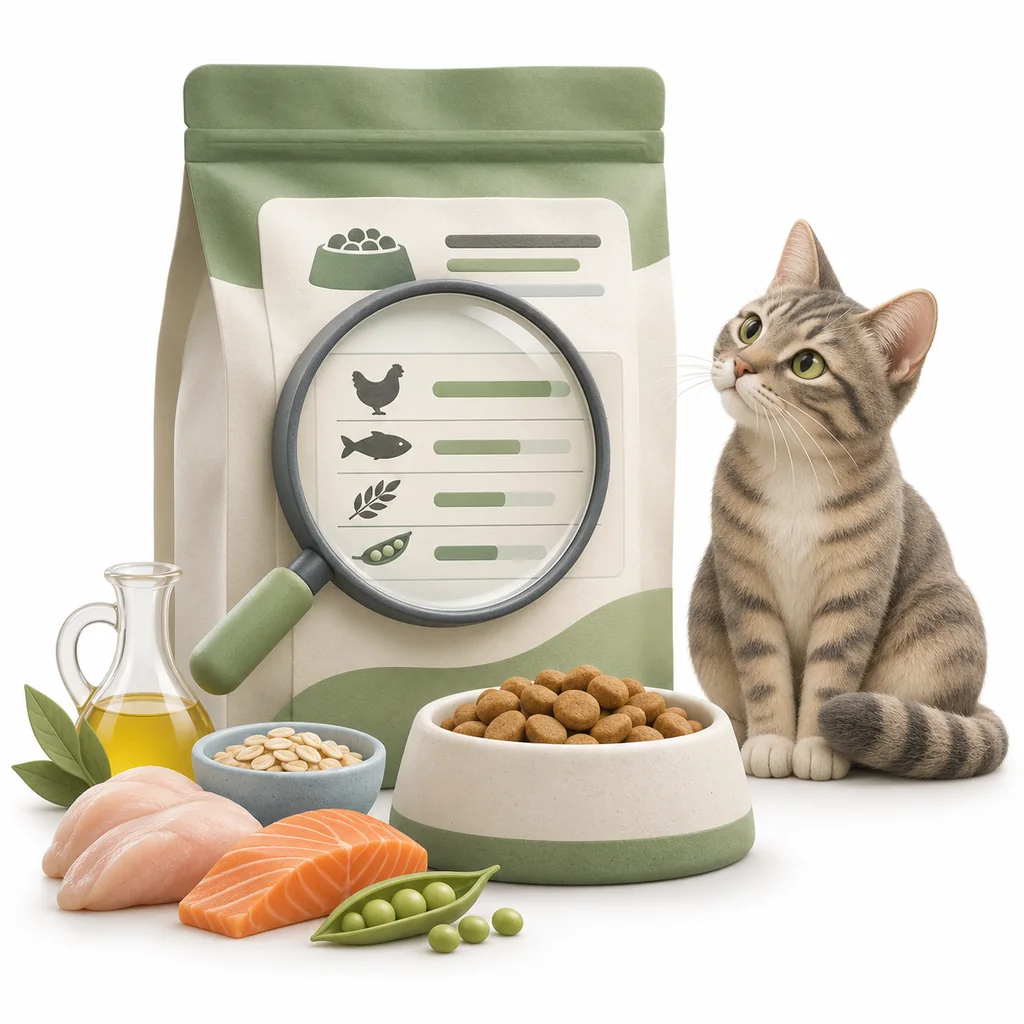
Choosing food can become surprisingly complicated when you turn the package around. Ingredients, percentages and feeding instructions compete for attention, while the photograph on the front tells a much simpler story. Tasma’s Food Analyze gives you a practical place to explore the label with AI assistance, so you can approach everyday feeding questions with more context and less guesswork.
The aim is understanding, rather than finding a universal winner. A useful explanation should help you return to the actual packaging, notice what information is available and recognise which questions need a manufacturer or veterinarian. Here is how to make that process more useful.
What does Food Analyze do?
Food Analyze lets you photograph a pet food label and explore explanations of visible ingredients and nutritional information. Instead of trying to interpret every unfamiliar expression on your own, you can use the result as a starting point for reading the package more carefully.
Where you have added relevant information, such as allergies or dietary restrictions, to your pet’s profile, Tasma can take that context into account. This does not establish whether a food is medically suitable. Explore the wider Tasma features to see how food information fits alongside everyday care.
Start with the exact product
Two bags from the same brand may contain different recipes. Before taking a photograph, check the full product name, intended species and the particular variety you are holding. Avoid relying on a similar product found online when you already have the packaging in front of you.
Keep the bag, tray or can nearby throughout the analysis. If the explanation mentions an ingredient you cannot find, return to the printed list. A different flavour, old photograph or unreadable section can make a seemingly convincing response less relevant to your actual question.
Prepare a readable photograph
Flatten the relevant panel without hiding any text under a fold. Use even lighting, reduce reflections and hold the camera steady. Move close enough for the small print to remain readable, while leaving the edges of the information visible.
Look at the image before sending it. If you cannot comfortably read the ingredients or nutritional table yourself, the photograph is worth retaking. Photograph the information you want explained rather than the decorative front of the package. Clear input cannot guarantee accuracy, but unclear input creates avoidable uncertainty.
Read the explanation beside the label
An AI response can sound confident even when a line has been misread. Compare ingredient names, units and percentages with the original photograph before using the explanation to inform a decision. If something appears missing or inconsistent, treat that as a reason to check, rather than silently filling the gap.
Separate what the packaging actually states from what the explanation suggests. For example, an ingredient appearing on a list is visible information; a prediction about how your individual pet will respond is a different kind of claim. Food Analyze is most useful when that distinction stays clear.
Compare information without oversimplifying
A single number rarely answers every question you have about a food. Consider whether the products you are comparing are intended for the same species, purpose and life stage. Wet and dry foods also contain different amounts of water, so headline percentages need context.
The FDA’s pet food nutrition guidance explains why moisture matters when comparing nutrient percentages. Use that resource for background, rather than assuming Tasma performs every calculation described there. The analysis should support careful reading, not replace the product’s full information.
Look beyond the front-of-pack wording
A reassuring package design can draw attention away from less prominent information. Make a habit of checking the back or side panel as well. The WSAVA food-selection guide discusses why promotional terms alone are insufficient for judging nutrition.
You do not need to become a specialist before asking a useful question. Simply identifying what remains unclear—an unfamiliar term, a missing detail or a comparison you cannot interpret—is already a productive outcome. Keep the distinction between a helpful explanation and a recommendation for your pet.
Use your pet’s profile thoughtfully
Check the details you choose to provide before starting. An old restriction or an incomplete description can create confusion. Describe a veterinarian-confirmed concern accurately, and avoid turning a suspicion into a confirmed diagnosis simply to make the profile feel complete.
If your pet already follows a veterinary diet, use Food Analyze to understand wording and prepare questions. Do not substitute a different food solely because an AI explanation sounds positive. Questions about prescribed feeding plans belong with the veterinary professional who knows your pet.
Turn the result into better questions
Imagine noticing an unfamiliar ingredient while buying your dog’s usual food. Take a clear label photograph, read the explanation and verify the wording. If uncertainty remains, ask the manufacturer about the specific product instead of assuming the AI has access to unpublished information.
You can also bring focused questions to your veterinarian: which part of this label matters for my pet, or what information should I request? Tasma’s care tools can help you explore everyday topics, while your own notes keep the conversation grounded in the package.
Make informed care a repeatable habit
A useful routine is simple: identify the product, photograph the label, review the explanation and verify anything important. Revisit that routine when the actual packaging or your pet’s circumstances change. Avoid repeatedly analysing the same unclear photo and expecting repetition to establish certainty.
Food Analyze does not diagnose allergies, test a product’s safety or replace veterinary nutrition advice. Read Tasma’s medical disclaimer for its boundaries. Download Tasma from the App Store below to explore food labels alongside your other care tools; Tasma is also available on Google Play.
Tasma provides informational AI assistance and does not replace professional veterinary care. AI can be wrong. For health concerns, consult a veterinarian; urgent symptoms need immediate veterinary care.